
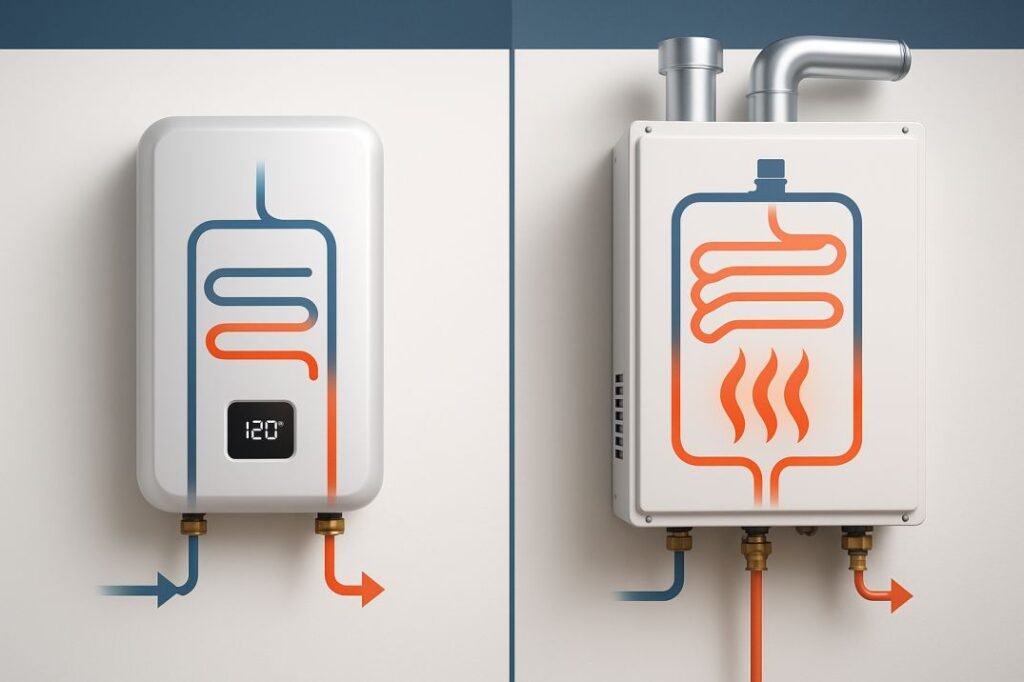

Starting with warm water sources used each day, it helps to understand how different units work together to support steady flow. People search for reliable choices that suit changing needs. The way each setup uses power shapes the running cost and care. Choosing between forms becomes simpler when practical points guide decisions. Clarity around structure, use, and replacement builds confidence during planning. Reliable hot water systems coffs harbour ensure endless hot showers and efficient heating for homes daily. Understanding broad features gives room for better decisions based on routine demands.
Energy Use
Energy choice shapes running demands since each option relies on a different supply source. Electric units draw steady power, while gas forms use flames. These differences can influence usage cost and may guide selection based on home size and daily habits.
Heat Production
Heat creation sets both options apart because water warms differently inside each unit. Electrical elements warm up the stored supply gradually. Gas burners lift water temperature faster. These details matter for households needing rapid flow or steady stored supply managed through simple controls.
Maintenance Needs
Care requirements differ since components inside each setup face unique conditions. Electric units often need checks on internal elements. Gas units need safe flame control. Knowing these points helps users reduce future issues and keep performance steady.
Installation Factors
Installation needs vary due to connection demands for each unit. Electric units often require simple placement, while gas units need ventilation for proper function. Considering layout and space helps match the right choice to household structure.
Environmental Impact
Impact varies across both forms because each uses different energy sources. Electric units depend on the grid supply. Gas units burn fuel directly. Understanding environmental influence supports thoughtful choices based on personal values and local supply trends.
Storage Capacity
Storage size becomes important when matching water needs. Electric forms often offer various tank sizes. Gas units also provide multiple options. Selecting the right capacity ensures steady flow during peak times while limiting unnecessary power use.
Comparison Table
| Feature | Electric System | Gas System |
| Energy Use | Uses powered elements | Uses a burning source |
| Heat Rate | Steady warming | Faster warming |
| Care | Internal checks | Flame checks |
| Install | Simple layout | Needs venting |
| Recovery | Moderate pace | Faster pace |
Safety Notes
- Safety steps help users maintain a steady supply and avoid common issues.
- Keep electrical parts dry for safe operation and stable performance.
- Ensure gas flames remain steady and clean to avoid sudden issues.
- Check valves regularly to prevent pressure concerns inside sealed tanks.
- Keep surroundings clear to reduce risks from stored heat sources.
- Follow routine checks to maintain long-term steady flow.
Looking across important details, people can decide which form aligns with their routine. Examining structure, flow, storage, and power demands leads to better planning. Each system supports different needs, so users benefit from comparing heat pace, running cost, and care demands. Matching features with daily habits offers smoother use and steadier supply. Good planning also reduces unexpected issues and extends system life. Bringing together practical factors encourages people to choose setups that support future needs reliably. Professional hot water systems coffs harbour installation maximizes energy savings and prevents breakdowns.
