
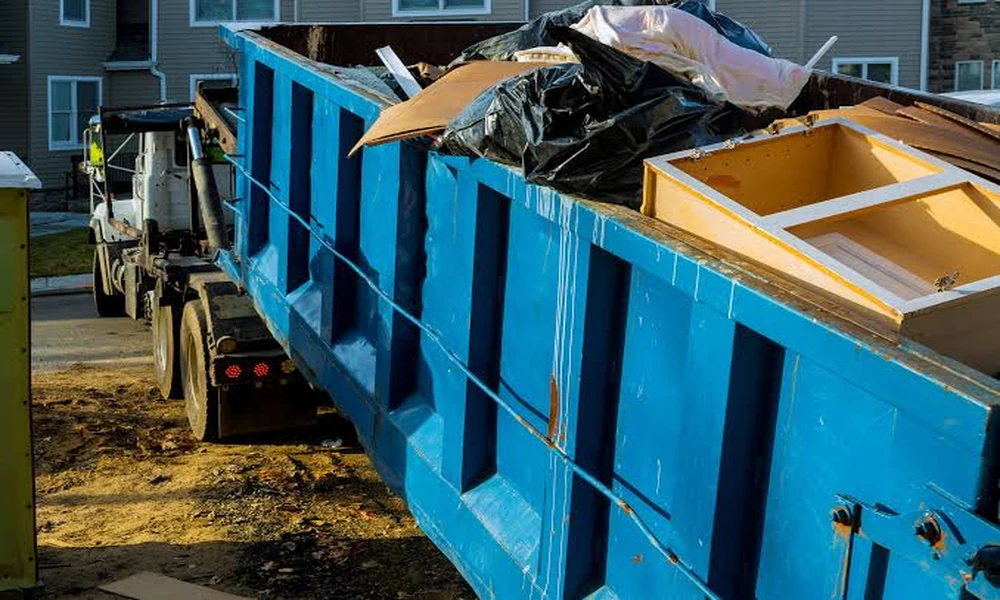

Renting a roll-off dumpster can be an effective way of disposing of debris from renovations, such as construction work, roofing work, landscaping, and so on. However, for those who haven’t rented these types of containers before, the process can be quite tricky since you have to consider your options and take into account the different types, sizes, weight restrictions for various kinds of trash, and permits required by law.
To schedule an off-site visit beforehand, you need to assess its scope of work as well as any logistical issues that may arise there. Driveway size, overhanging trees on streets, street parking regulations, and vehicles parked there by residents are important factors to consider while renting out properties without any problems. For any home renovation project located within the South Texas area such as demolition work (construction) jobs, having an appropriate dumpster rental in San Antonio is necessary for compliance with local regulations of that city, along with timely completion of project due dates.
Key Factors to Understand Before Booking
For selecting an appropriate container to prevent typical rental issues, remember this basic rule of thumb.
1. Choosing the Correct Container Size
A roll-off container is a unit for measuring its capacity as a cubic yard (a measure of how much space it has).
- A 10-yard bin is best used for a small garage cleanup, minor bathroom renovation projects, or large amounts of dirt and concrete.
- A 20-year-old bin is an ideal choice for kitchen renovations, deck removal projects, and flooring upgrades.
- 30-40 yard bins are designed for full home cleanouts, large siding replacement projects, and commercial building renovations.
2. Understanding Weight Limits
A rental agreement has an exact weight capacity specified by tons. Drywall, plaster, tiles, and soil are heavy materials that tend to weigh down fast. Overweight charges apply to any amount above an agreed-upon on-site limit; therefore, it is advisable that you know how much stuff weighs when selecting a container volume.
3. Knowing Prohibited Materials
Due to safety concerns and regulatory requirements, regular roll-off bins are not suitable for storing toxic substances. Commonly prohibited items include
- Paints, stains, and solvents
- Car batteries, Motor Oil.
- Refrigerants and Freon appliances
- Gas tires and airtight fuel tank.
Preparing Your Property for Delivery.
Minimal site preparation is needed to ensure a seamless transition.
- Clear the Placement Area: Measure your driveway or placement spot so that there is a minimum of 60 feet of straight-line clearance from it for the delivery truck to back in.
- Protect Your Driveway: Place wooden planks/plywood under a dumpster so that its metal wheels don’t scratch your driveway or leave an indentation on asphalt surfaces.
- Check Local Permits: If you need to place it at an intersection instead of putting it in front of your house, then make sure that there is no restriction on placing such items like bins near streets.
Working together with a knowledgeable partner company like dumpster rental in San Antonio ensures transparency about prices and weights of products sold by them. Homeowners and contractors can get flexible delivery times, permit information, and timely pickup service for their needs at the homeowner’s residence.
Conclusion
Rentals for roll-off dumpsters are easy to rent. By estimating your waste volume accurately, understanding weight limits, preparing your driveway, and adhering to prohibited item guidelines, you protect your budget and property. With proper planning and a clear understanding of the basics, your dumpster rental will keep your project running safely, efficiently, and on schedule.
Choosing a reliable rental provider and confirming all terms before delivery can also help prevent unexpected fees and scheduling delays. A little preparation goes a long way toward keeping your cleanup organized and making waste disposal easier from start to finish.
Dumpster Rental 101: Everything You Need to Know Before You Rent
